

Pet insurance is worth the most at exactly this stage, while your puppy or kitten is young and healthy and nothing is on the medical record yet to be excluded. Most plans cover accidents and illnesses, including the diagnostics and surgery that follow, while everyday puppy and kitten visits are usually sold as a separate wellness add-on. You pay the clinic first and file afterward, and the premium, deductible, and reimbursement percentage together decide how much of the bill comes back to you. Whether it is worth it for your household comes down to one question: if a swallowed sock became emergency surgery next month, would that be a hard decision or just a hard day?
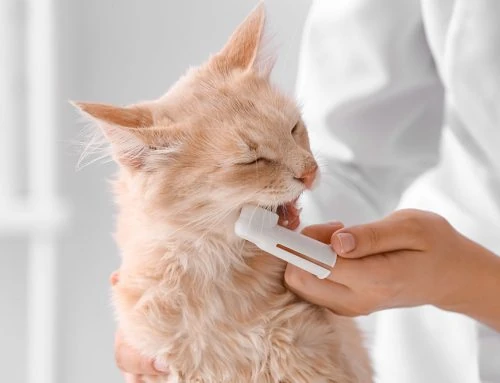
Bayview Animal Hospital is a locally owned practice in St. Petersburg, and we are glad to help you sort through coverage while your pet is still new to you. Those first-year visits are the predictable part of the budget, and wellness and preventive care for dogs and cats is where the medical record an insurer later reads actually begins, and where we start the conversation about what health problems your pet might be at risk for. For the costs nobody plans for, we can walk through the payment and financing options we offer and read a plan alongside you so you know what it actually covers. If you are deciding on a policy for a new puppy or kitten, come see us and bring the plan with you.
Pet Insurance: What to Know Before You Buy
- Reimbursement, not copays: you pay the full bill at checkout and get a share back later, so plan on fronting the money with savings or a financing plan.
- Timing decides coverage: accidents and illnesses are covered once the waiting period ends, while anything already on the record counts as pre-existing.
- Young and healthy is the cheapest time to buy: premiums sit lowest and the exclusion list stays shortest before any diagnosis exists.
- A policy, savings, or both all work: what matters is deciding before the emergency, not which route you choose.
What Does Vet Care Cost for a Dog or Cat?
Vet spending falls into three categories: wellness, illness, and accidents. Wellness is predictable, and the first year front-loads it, since exams, a vaccine series, dewormer, and a spay or neuter all land inside twelve months. In Florida, flea, tick, and heartworm prevention runs year-round, so that line never drops off the budget, and professional dental cleanings under anesthesia join it as adult teeth collect tartar.
Illness and accidents are where the spread opens up. A swallowed sock, a torn knee ligament, or a urinary blockage in a cat, which can turn fatal within a day or two, land in the same range, and pet emergency costs reach four figures once diagnostics, anesthesia, and hospitalization stack onto one invoice. A dog hit by a car, or a cancer treated with surgery, radiation, and chemotherapy, can run ten or twenty thousand dollars. Those cases are uncommon, and they're what a policy exists for.
Does My Pet's Breed, Size, or Age Change What I'll Spend?
Breed, size, and age each move the number. Much of the spread in vet visit costs is weight, because a 75-pound Lab takes more dewormer, more anesthetic, and more of nearly every drug than a 9-pound cat. Breed predicts specific risks, and age decides which problems show up: the first couple of curious years bring most of the emergencies, and spending climbs again in the senior years.
What Conditions Come With a Breed?
Breed health risks belong on the table before you enroll, because many policies exclude conditions tied to breed or present from birth.
- Structural: flat-faced dogs may need airway surgery, large breeds carry hip and elbow dysplasia, and long-backed dogs carry disc disease.
- Cardiac and internal: several dog breeds are predisposed to heart disease, and some cat breeds to kidney disease or heart muscle disease, known as cardiomyopathy.
- Sudden or recurring: some breeds are prone to pancreatitis, epilepsy, tracheal collapse, or bloat.
How Often Will My Pet See the Vet?
Most healthy pets need three to five visits in the first year, then one or two a year through middle age, and twice-yearly exams and preventive testing by seven to ten years old. Average vet costs in 2025 came to about $529 a year for a cat and $598 for a dog. Sick visits add one to three a year by middle age, and about one pet in three has an emergency visit each year, closer to half of pets under a year old.
What Costs the Most Over a Lifetime?
Chronic conditions outrun any single emergency, because allergies, diabetes, and kidney disease get paid for month after month in medications, rechecks, and lab work rather than in one spike. Allergies can start as early as a year old and often mean a lifetime of skin and ear infections, prescription diets, and daily medication. Thyroid problems, arthritis, and cancer sit on the same list, and keeping an arthritic older pet comfortable can mean medication and weight management for years.
How Does Pet Insurance Pay Out if I Pay the Clinic First?
Pet insurance reimburses rather than running on copays: you settle the bill at checkout, send in the itemized invoice, and once the deductible is satisfied the insurer pays back its share. There are no in-network hospitals, so coverage follows your pet anywhere, including an emergency hospital at midnight.
| Term | What it means for your bill |
| Premium | What you pay monthly to keep the policy in force. A cheaper premium costs you elsewhere: a bigger deductible, a smaller reimbursed share, or a lower annual ceiling. |
| Deductible | The part of the bill that's yours before the insurer starts paying. Some plans reset it every year; others set one per condition. |
| Reimbursement rate | How much of a covered bill comes back, usually 70 to 90 percent. That range is worth $800 on a $4,000 surgery. |
| Per-incident cap | A ceiling on what gets paid for one illness or incident. |
| Annual limit | The most the policy will pay across twelve months. One torn cruciate, repaired and rehabbed, can use up a $5,000 limit by itself. |
| Waiting period | Coverage doesn't begin the day you pay. New signs inside that window can be treated as pre-existing. |
Filing takes less work than families expect: a photo of the itemized invoice and a short form. If a first submission needs more, our team knows which visit notes and results an insurer asks for. The money comes back afterward, so nothing about a claim should delay care; we see urgent cases during our open hours, and after hours the nearest veterinary ER is the right call.
What Do Most Pet Insurance Plans Cover?
Coverage comes in three shapes. The broadest is accident and illness, which covers trauma and disease alike. The other two are accident-only, which pays for trauma and nothing else, and a wellness add-on for routine care that attaches to either one.
Is Accident-Only Coverage Enough?
Accident-only coverage fits a narrow case: a household that could handle most illnesses out of pocket but not a trauma bill in the thousands. These policies pay only for catastrophes such as being hit by a car, a dog-fight injury, or a fall from a height. Anything that isn't trauma is out, including a two-week ear infection, a urinary blockage, or a lifelong disease like diabetes, and illness is usually the larger share of what a pet costs over a life.
What Does Accident and Illness Coverage Include?
Accident and illness plans cover trauma and disease, as long as the illness isn't pre-existing. Covered care usually runs from the first test through surgery, the prescriptions that follow, bandage changes, rechecks, and a specialist's bill if the case needs one. Bloodwork and digital X-rays are where a workup starts for a limping dog or a vomiting cat, and testing is the first charge most families see come back.
Companies differ on the smaller lines: some pay the exam fee and some don't, prescription diets and supplements may or may not count, and rehabilitation and behavior work are often sold as extras. None of that is on the quote page; it's in the sample policy, which any company will send you if you ask.
Are Wellness Add-Ons Worth Buying?
Wellness riders earn their keep mostly in the expensive first year. They're budgeting tools rather than insurance, reimbursing predictable care against a set allowance: exams, vaccines, parasite testing, spay or neuter, and part of a dental cleaning. Because the allowance usually sits close to what the rider costs, the margin is thin, and many households do better setting the same money aside each month after that first year.
What Won't Pet Insurance Pay For?
Pre-existing conditions are the exclusion every policy carries: anything already in the chart, or already visible, when the policy started. Expect elective procedures, breeding and pregnancy, and experimental therapies to sit outside coverage too, with a waiting period at the start before anything is payable at all.
| What's excluded | What that looks like in practice |
| Pre-existing conditions | Insurers split these into curable and incurable. A cleared-up ear infection can become eligible again after a set stretch with no signs, while allergies, diabetes, and heart disease are excluded for good. |
| Waiting periods | Accident coverage is usually live within days, illness coverage around two weeks, and orthopedic problems can sit out six to twelve months. |
| Bilateral clauses | Some policies treat paired parts as one. A left knee with a history before enrollment can make the right knee uninsurable, and the same applies to ears and eyes. |
| Hereditary and congenital | Included by some plans, sold as an upgrade by others, limited by breed in a few. |
| Elective and non-medical | Spay or neuter, declawing, cosmetic procedures, grooming, boarding, and food fall outside coverage entirely. |
Pre-existing exclusions catch families off guard, because insurers read the chart rather than your memory: a note about itchy ears at eight months can become an allergy exclusion years later. Don't delay a sick visit to keep the record clean, since an untreated problem costs more than an exclusion ever will. Our doctors at Bayview Animal Hospital can read the record with you before you enroll.
How Do I Compare Pet Insurance Plans?
Choosing pet insurance comes down to four numbers marketing rarely leads with: the reimbursement percentage, whether the deductible resets annually or applies per condition, the annual payout cap, and what the plan counts as a covered expense. Nearly everything else is packaging.
How Much Does Pet Insurance Cost?
Pet insurance cost averages about $836 a year for a dog and $435 for a cat in 2026, with most monthly premiums landing between $38 and $73 for dogs and $26 and $50 for cats. Where you live, your pet's breed and age, and the plan itself all move that figure, and many insurers discount a second pet.
How Do I Compare Two Quotes Fairly?
Hold the deductible, reimbursement rate, and annual limit identical across two or three companies for the same pet. Otherwise you're measuring a 70 percent plan against a 90 percent one and calling the cheaper quote better value. Policy comparison tools let you enter a pet's breed, age, and zip code and line the quotes up that way. Narrow the field to two, read each sample policy's exclusions, then run one realistic scenario through both: put a $5,000 price on a cruciate tear or a urinary blockage and work out what each returns after the deductible and the cap.
Which numbers matter most depends on your own pet.
- A large-breed puppy: orthopedic coverage and its waiting period are the lines to compare.
- A purebred cat: hereditary heart coverage matters more.
- A household that could absorb $1,500 but not $8,000: a higher deductible with a bigger cap usually fits better.
Our veterinarians can also tell you which problems come through our door most often here in St. Petersburg, which matters more for one animal's risk than a national average.
When Is the Best Time to Enroll?
Enroll before anything has been diagnosed, while the chart is still clean. Adopting an adult or senior pet changes that math without ending it: premiums are higher, more conditions may already sit in the file, and some companies cap enrollment age, so ask about that limit before you fill anything out.
What if Pet Insurance Isn't the Right Fit for Us?
A policy is one way to be ready for a surgery you didn't plan on, not the only way. Plenty of households run a combination: savings for the deductible and routine care, a policy for the catastrophes savings can't absorb, and a financing plan to cover the gap while a claim is processing.
Can a Savings Account Replace a Policy?
At $50 a month, a pet savings account takes more than six years to reach the $4,000 an emergency abdominal surgery can run. Set an automatic transfer on payday into an account separate from checking.
How Do Veterinary Financing Plans Work?
Financing splits a large bill into monthly payments, often with an interest-free window. We offer CareCredit, which skips interest when the balance is paid in full inside the promotional window (often 6 to 12 months), with interest usually charged back to the original purchase date if anything is left. Other hospitals carry other options, so always look before you book.
We're glad to go over the financing we accept, and if a surgery is already on the calendar, we can help set up payment and any insurer pre-approval ahead of time.
What Families Ask Us Before Buying a Policy
How Long Does Reimbursement Usually Take?
Most companies process a complete claim within a few weeks. Incomplete paperwork is the usual holdup, so send the itemized invoice rather than a receipt total, and include medical notes when the insurer asks.
Is Dental Work Covered?
Dental coverage is one of the biggest differences between plans. Many accident and illness policies cover dental injuries such as a fractured tooth, and some cover extractions for advanced dental disease. Routine cleanings generally fall under a wellness add-on instead, and a few companies require a documented yearly oral exam to keep dental claims eligible, so read the dental section of any policy you're considering.
Should I Still Enroll a Pet Who Already Has a Diagnosis?
Enrolling a pet who already has a diagnosis can still be worth doing. The known condition will be excluded, but everything unrelated stays eligible: a torn ligament, a swallowed toy, a tumor found years from now. Bring the chart and the quote in, and we'll help you see which exclusions would apply.
Deciding on Coverage Before Your Pet Needs It
Whether you land on a premium, a savings account, a financing plan, or some mix of the three, settle it before the hard day arrives. Schedule a wellness visit at Bayview Animal Hospital in St. Petersburg, bring the plan you're weighing, and we'll go through it together.